Different Thinking – Better Driving.
I’m autistic. I just didn’t know it for the first 50 years.
I passed my driving test, became a driver, became a driving instructor and spent years teaching people to drive before I discovered that I was autistic. Finding out at 50 didn’t suddenly change who I was or how I taught. Instead, it gave me a new understanding of myself. I began to recognise that some of the things I had always thought were simply the way my brain worked, were actually part of being autistic. And some of those differences can be real strengths when I’m teaching someone to drive. For me, autism isn’t a disability. It’s a different way of experiencing and processing the world.
When you’ve met one person, you’ve met one person
We are all individuals, whether we’re neurotypical or neurodivergent. A diagnosis can provide useful context, but it doesn’t tell me who someone is, how they think or how they learn. I’ve taught autistic and ADHD learners, but I haven’t grilled them about their autism or ADHD. I haven’t made assumptions about how they should learn because of a diagnosis.
I’ve simply taught the person sitting beside me how to drive.
I get to know how they learn. I listen to how they describe things. I watch how they approach different situations. I notice what works, what doesn’t and where they need more support. Being autistic myself gives me an understanding of neurodiversity from the inside, but I don’t teach autism. I teach people how to drive.
Different ways of understanding
There isn’t one magic way to teach someone to drive. I use a mixture of verbal explanations, diagrams and practical experience because different things can make sense in different ways.
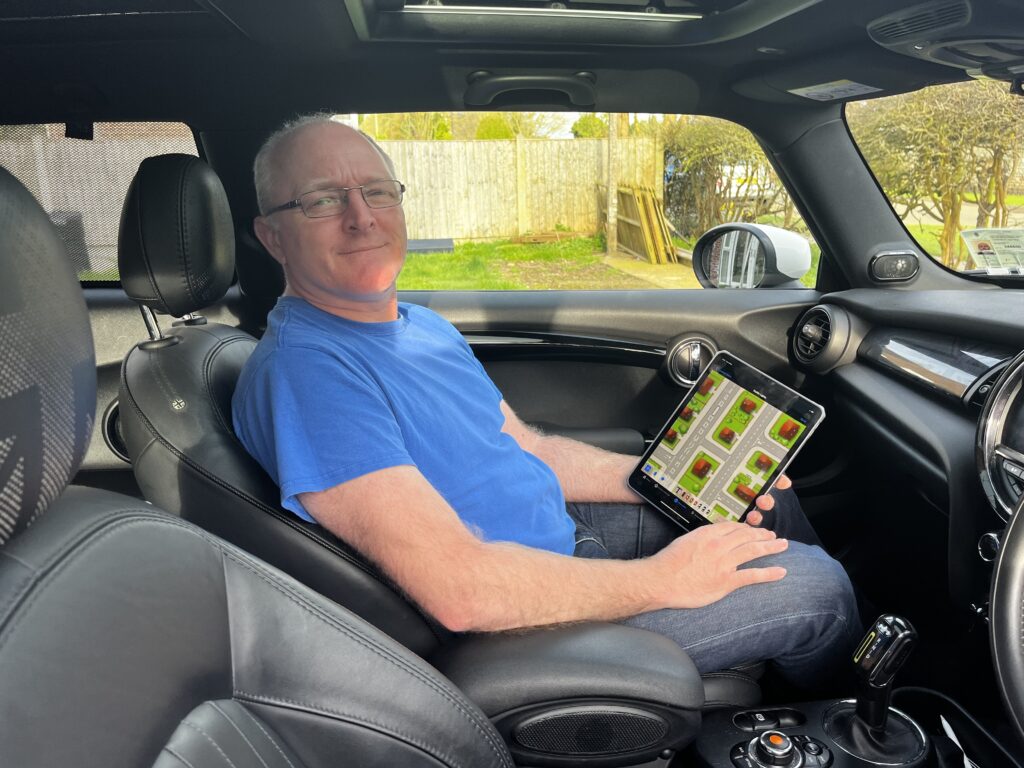
- Words – I’ll explain what we’re doing, how we’re going to do it and, importantly, why we’re doing it. I like things to make sense, and I find that understanding the reason behind something is often more useful than simply memorising an instruction.
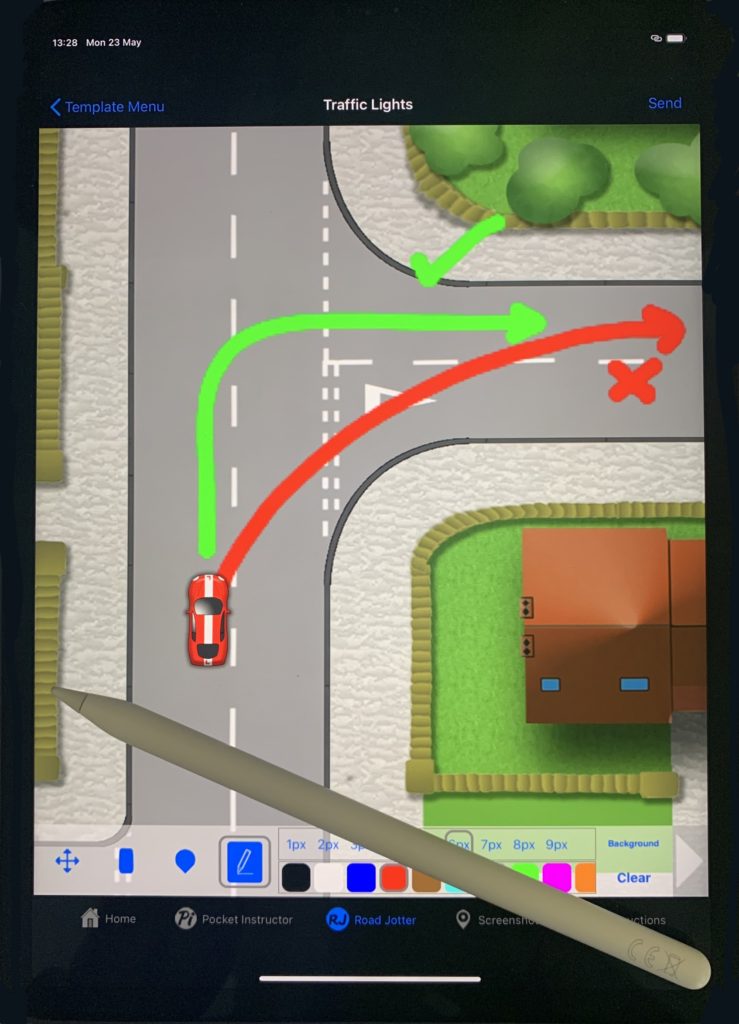
- Pictures – Sometimes a road layout, junction or traffic situation becomes much clearer when you can see it. A simple diagram can turn something complicated into something much easier to understand.
- Practice – Driving is a practical skill. You need to experience situations for yourself, put what you’ve learned into practice and gradually build up your experience. And if one explanation doesn’t work, that’s okay. We’ll find another way.
There isn’t one right way to learn.
Looking for the pattern
One of the things I value about being autistic is the way I naturally look for patterns, detail and logic. When something isn’t working, I’m inclined to look beyond the mistake and I’ll ask myself:
Why is this happening?
- Is something not understood?
- Does the explanation make sense?
- Would another explanation work better?
- Could we break it down into smaller pieces?
- That can be particularly useful when learning to drive because driving isn’t about memorising hundreds of separate instructions.
- It’s about understanding what is happening around you and applying what you’ve learned to the situation in front of you.
Building independence
In the early stages, I’ll give you the support and guidance you need to build a solid foundation. I’ll explain things, demonstrate them, give you verbal instructions and give you plenty of opportunities to practise. As your skills and confidence develop, I’ll gradually reduce the amount of instruction I give you. I’ll start asking questions rather than giving answers. I’ll introduce situations you’ve not experienced before and give you the opportunity to work out what to do for yourself. Because that’s what driving after your test is going to be like. You won’t have driven every road. You won’t have experienced every junction. You won’t have seen every traffic situation. There will always be something new. The important thing is being able to look at what’s happening, understand it, make a decision and deal with it safely.
One of my favourite moments
There’s a point in a learner’s development that I particularly enjoy. I’ll ask: “Do you know the rest of the way home?” If they say yes, I’ll simply say: “Well then, you can drive home.” And that’s it. No instructions telling them where to turn. No route to follow from me. They know where they’re going, so they have to work it out for themselves. They’ve gone from being guided by an instructor to making their own decisions. That’s independence.
Learning to drive is more than passing the test
Passing your driving test is an important milestone, but it isn’t the end of learning to drive. It’s the beginning of driving independently. You will encounter roads you’ve never driven on, junctions you’ve never seen and situations you’ve never experienced. You can’t be taught every possible situation. What you can learn is how to think about what you’re seeing. That’s why I want you to understand what you’re doing, rather than simply remember what I told you to do. I want you to develop the confidence to look at something unfamiliar and think: “I’ve never seen this before, but I know how to work it out.”
I did all of those things before I had a word for the way my brain worked. Finding out I’m autistic hasn’t changed the instructor I was. It has helped me understand him. And perhaps that’s the most useful thing I can bring to my teaching.
Different thinking is part of who I am
- I spent 50 years not knowing that I was autistic.
- I became a driver.
- I became an instructor.
- I taught people to drive.
- I taught advanced motorcyclists.
Different doesn’t mean wrong.
Sometimes you just need to look at something differently. And sometimes the best way to teach someone is simply to listen, understand the person in front of you, and find the way that makes sense to them.
I’m Mike. I’m autistic. And I teach people to drive.